
You might notice it when you’re driving—the street signs seem a little fuzzy. Or maybe you end your workday with a nagging headache and tired eyes. These subtle changes are easy to ignore, but they are often your first clue that your vision has shifted. Our team at Total Vision El Cajon is here to help protect your vision in every stage of life, starting with the right prescription.
Your vision needs change over time, and keeping up with them through comprehensive eye exams helps maintain your comfort and health. You should update your glasses or contacts when you notice changes in your sight, experience physical discomfort, or as part of a regular exam schedule recommended by an eye care professional.
Signs Your Prescription Needs an Update
Changes in Your Vision
The most direct sign that you need a new prescription is a change in how clearly you see the world. If you find yourself adjusting how you look at things, it might be time for an exam. Pay attention to these common experiences.
- Blurry vision at any distance
- Trouble with glare or night driving
- Frequent squinting to see clearly
Physical Discomfort
Sometimes, your body tells you what your eyes can’t. An outdated prescription can force your eyes to work overtime just to focus, leading to noticeable physical strain. These symptoms, often related to digital eye strain from screen use, can be a clear indicator that your eyewear needs a refresh.
- Headaches after reading or screen time
- A feeling of eye strain or fatigue
- Double vision or seeing halos around lights
How Often to Get a Comprehensive Eye Exam
For Children and Teens
A child’s vision can change quickly as they grow. Regular children’s eye exams are an important part of their overall health and can play a big role in their success at school and in other activities. Annual appointments help monitor their eye health and development.
For Adults
For most adults, scheduling a comprehensive eye exam every 1–2 years is a good rhythm. After the age of 60, annual exams become even more important for monitoring vision and overall eye health. Your eye doctor can recommend a schedule that fits your personal health history.
Special Rules for Contact Lenses
When Your Prescription Changes
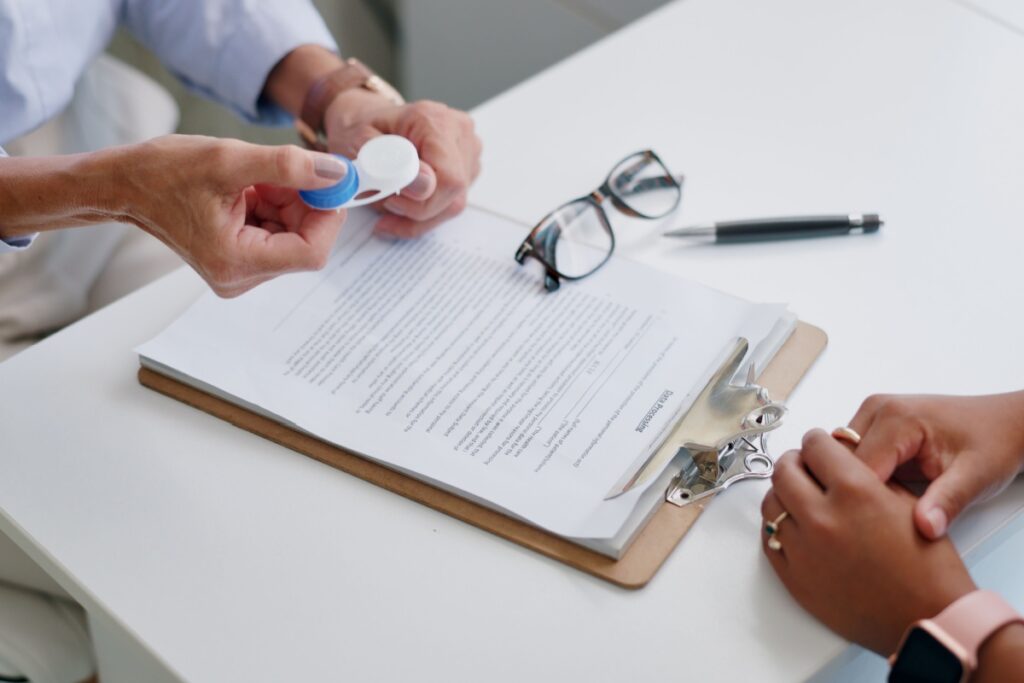
Contact lenses sit directly on your eyes, so a prescription change can feel very different than it does with glasses. You might notice your vision isn’t as sharp, or the lenses themselves may become uncomfortable. If your contacts feel less effective or cause irritation, it’s a good sign you need an updated contact lens fitting.
When to Replace the Lenses Themselves
Beyond your prescription, the physical lenses need regular replacement to protect your eye health. Following proper contact lens care guidelines, including the replacement schedule for your specific type of contacts, helps protect your eye health—whether it’s daily, weekly, or monthly. It’s also important to throw away any lens that appears torn or damaged and never wear contacts past their expiration date.
Reasons to Update Beyond Your Vision
Sometimes, the need for new eyewear has nothing to do with your prescription. Daily life can take a toll on your frames and lenses. You may also find that your lifestyle changes, creating a need for different eyewear options. Consider an update if you notice any of the following.
- Your frames are broken, bent, or worn out
- Lens coatings are scratched or peeling
- A new job or hobby requires different eyewear
Your Next Steps for Clear and Comfortable Sight
Schedule Your Exam
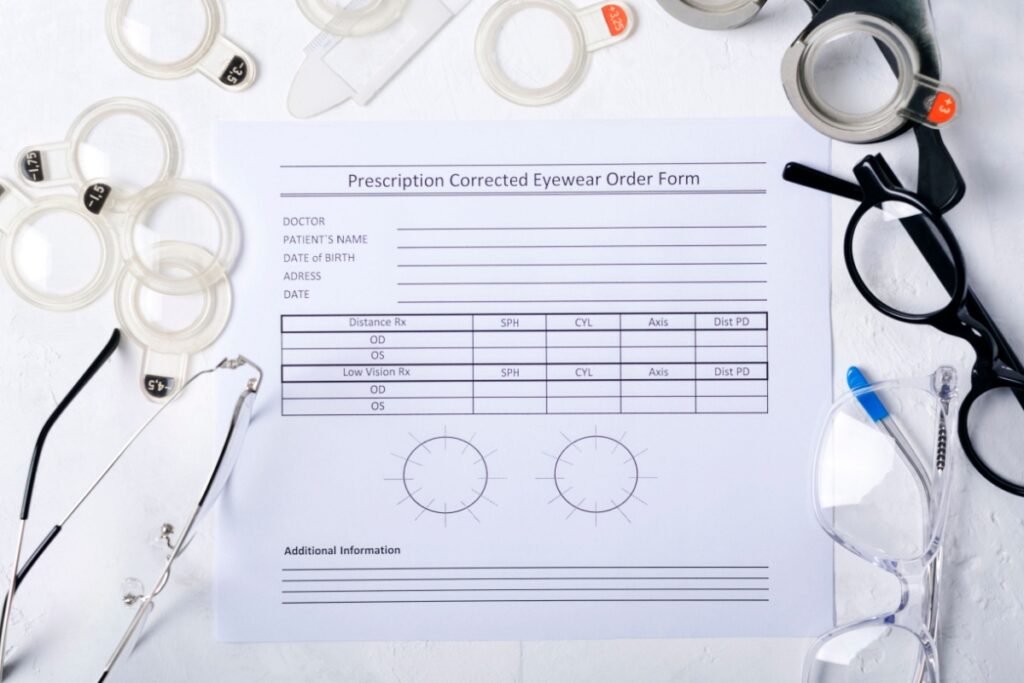
The first step toward clearer vision is a comprehensive eye exam. This appointment gives you an opportunity to discuss any concerns you have and get an accurate, up-to-date measurement of your vision. An eye doctor in El Cajon can help you understand your options and find the right prescription.
Replace Lenses or Get New Frames?
An updated prescription doesn’t always mean you need a whole new look. In many cases, new lenses can be fitted into your existing frames if they are still in good condition. This is also a great chance to think about lens features that match your lifestyle.
For example, if you spend a lot of time on digital devices, you might consider lenses that filter blue light. Anti-glare coatings can also make a big difference for night driving or working under office lights. You can also explore new frame styles that better suit your daily activities and personal taste.
Don’t Ignore the Signs
Protecting your sight is a lifelong journey. If you are experiencing any of the signs of a vision change, our team at Total Vision El Cajon is ready to help. Schedule an appointment to get the clear and comfortable vision you deserve.
