
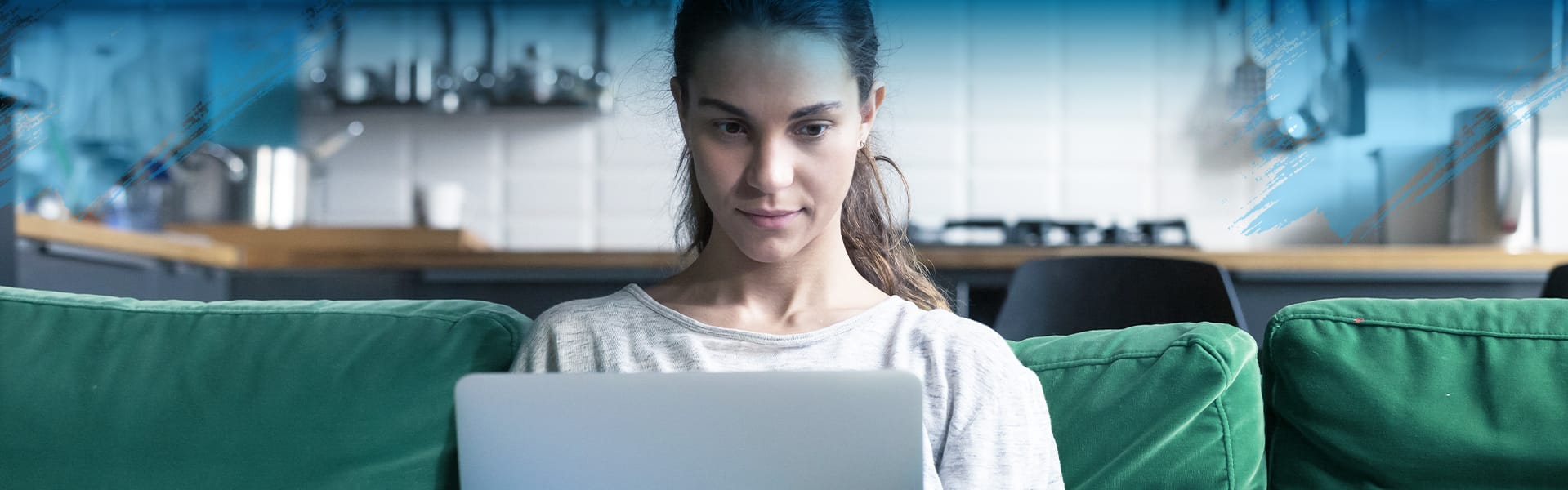

Glasses live a rough life. They get tossed into bags, wiped with whatever fabric is nearby, and worn every waking hour for years at a stretch. Lenses usually give out long before frames do, which leaves plenty of people assuming they need to start over with a brand new pair.
You can often keep the frames you already own and have fresh lenses fitted into them. An optician measures the frames, orders lenses cut to match, and sets them in place.
The first thing you’ll need is a current prescription, which comes from an eye exam.
Signs Your Lenses Are Due for a Swap
Some reasons announce themselves loudly. Others creep up over a few months. Here’s what usually sends people looking for replacements:
- A scratch or chip sitting right in your line of sight
- A new prescription from your most recent exam
- Anti-reflective or scratch-resistant coating that’s peeling or clouding over
- Glare and smudging that wipe away and come right back
- Tired eyes or headaches by late afternoon
That last one deserves a closer look. A scratch seems like a small annoyance until it parks itself where you look most, and your eyes start working overtime to see around it. All that extra effort can contribute to eye strain by the end of the day.
Outdated prescriptions do something similar. Squinting through blur becomes such a habit that most people stop noticing they’re doing it.
Can You Keep Your Current Frames?
Most of the time, yes, you can keep your current frames when replacing lenses. Frames you already like wearing tend to be the easiest ones to build around, since you’ve settled the fit question.
Bring them in and let an optician inspect them first. Bent temples, hairline cracks, and stretched-out metal all affect how well a frame grips a new lens, and forcing a lens into a compromised frame can turn one repair into two.
Choosing Your Lens Type
Replacement time is a good moment to rethink what you’re actually asking your glasses to do. A few options to weigh:
- Single vision lenses correct one focal distance and cover most nearsightedness, farsightedness, and astigmatism
- Bifocals combine near and distance correction with a visible line between the 2 zones
- Progressives handle near, intermediate, and distance vision without any line
- Transition lenses darken in sunlight and clear up once you’re back indoors
- Polarized or tinted lenses reduce glare bouncing off roads, water, and snow
Talk through your daily routine with your optician while you decide. Someone who drives at night has different priorities than someone reading fine print all day.
Add-On Coatings and Features
Small add-ons change how lenses feel over a long day. Blue light filtering comes up constantly for anyone glued to a screen, and it’s worth understanding how blue light affects your eyes before you decide.
Ask about UV protection too. Sun exposure builds up over the years whether you’re at the beach or walking to your car, so everyday lenses benefit from it as much as sunglasses do.
Anti-reflective coating rounds out the list nicely. It cuts down on the halos and reflections that show up around headlights and overhead lighting.
Leave the Lens Swap to the Pros
Popping lenses out at home looks simple on video. In practice, frames are built to hold tension at specific points, and pressing in the wrong spot snaps plastic or warps the groove that holds the lens.
A lens that comes out badly can crack or splinter, which turns a repair job into a safety problem.
Opticians use tools made for this exact task, applying steady pressure where the frame can take it. Metal frames add another layer, since the screws have to open and close without bending the eyewire out of shape.
How Professionals Handle It
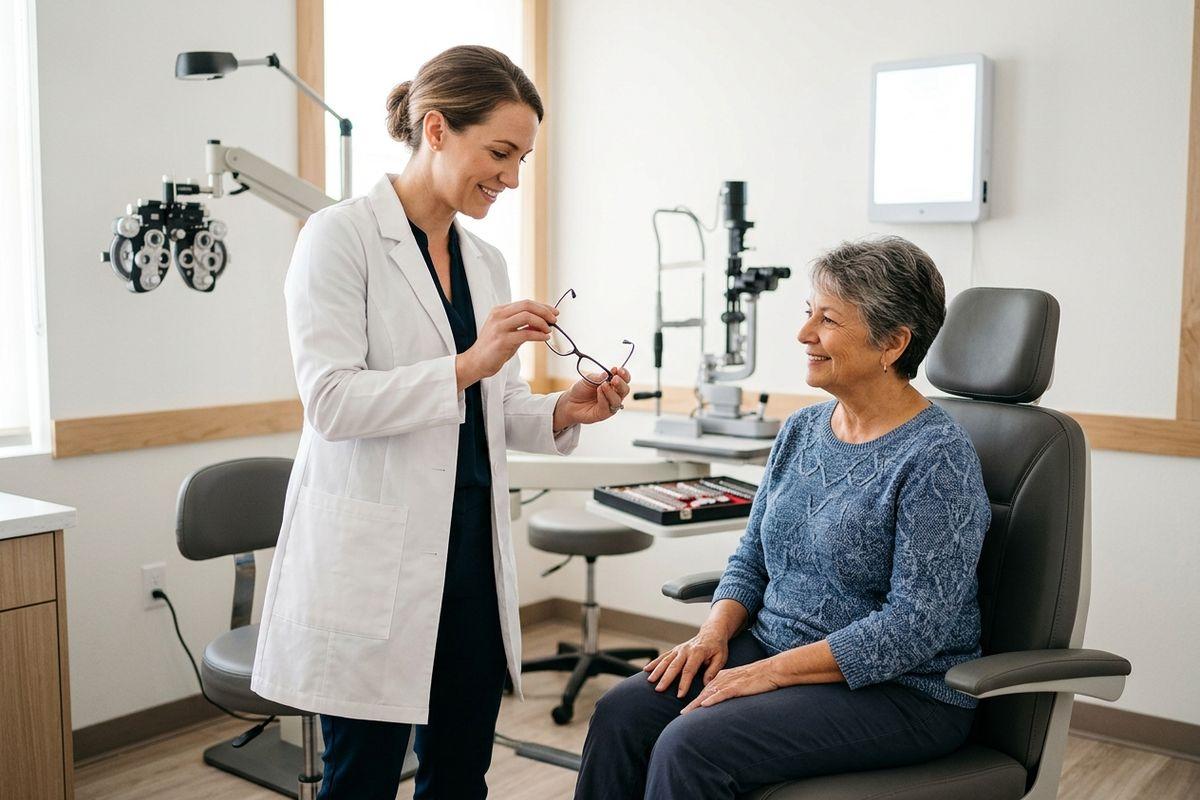
The process moves quickly once you’re in the chair. Bring your frames along with your current prescription, and expect a short inspection before anything else happens.
From there, you’ll pick your lens material, any coatings you want, and confirm the measurements for how the lenses sit in front of your eyes. Pupillary distance matters here, so your optician will measure it rather than guess.
Check your insurance and payment information beforehand to see what your plan may cover. Ask about contacts while you’re there as well, since a contact lens exam and fitting covers measurements that a glasses prescription alone doesn’t include.
Fresh Lenses for Frames You Already Love
Scratched, outdated lenses have a way of making the whole world look a little dimmer than it needs to. Replacing them is one of the quicker fixes in eye care.
Bring your frames to Total Vision El Cajon and let the team sort out your options. Book an appointment today, and see what a clean pair of lenses can do.